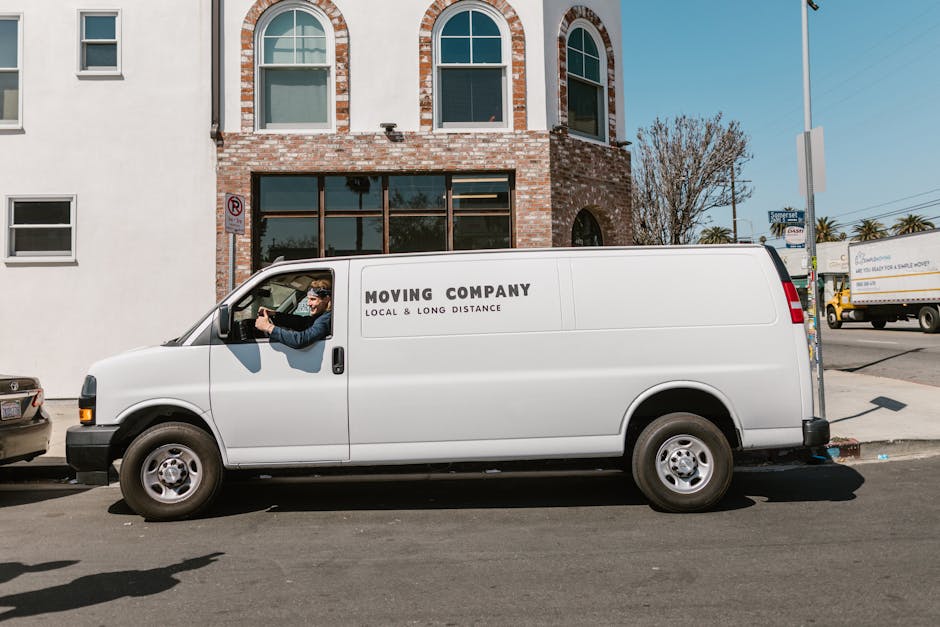
Wandsworth Council moving van permit explained
If you're planning a move in Wandsworth, the permit side of things can feel oddly stressful for something that sounds so small. But a moving van on a busy London street is rarely "just a van". Bays get busy, roads are tight, neighbours are parking where they can, and one missed requirement can turn moving day into a slow, awkward shuffle of boxes. This guide gives you a clear, practical Wandsworth Council moving van permit explained in plain English, so you know what matters, what usually trips people up, and how to plan the move without last-minute panic.
Whether you're moving a flat, a family home, or a small office, the key is simple: understand when a permit or bay booking is needed, allow enough time, and match your vehicle and access plan to the street you're using. Let's get into it.
Why Wandsworth Council moving van permit explained Matters
In a borough like Wandsworth, the street outside your property can be the difference between a calm move and a messy one. Parking space is often limited, loading areas may already be occupied, and some roads are managed carefully to keep traffic flowing. That means your moving van may not simply be able to pull up, stop, and load for as long as you like.
The permit question matters because moving day is time-sensitive. If your van can't legally stop where you need it to, you may end up carrying furniture further than expected, delaying the crew, or risking a penalty if the vehicle is left in the wrong place. Nobody wants to be dragging a wardrobe across the street while the clock is ticking. Truth be told, that's the kind of stress people remember long after the move is finished.
It also matters because the right approach depends on the street, the vehicle size, and the type of move. A small man and van job may need a very different setup from a full household move using a larger lorry. If you're relocating a business, the needs can become even more specific, which is why services such as commercial moves and office relocation services often need a more structured plan.
Expert summary: The permit is not just paperwork. It is part of the access plan. When it is handled early, the whole move tends to feel faster, cleaner, and much less chaotic.
How Wandsworth Council moving van permit explained Works
At a practical level, the process usually comes down to this: if your moving vehicle needs to stop, wait, or load in a controlled parking area, you may need permission or an arrangement with the council. The exact requirement depends on the location and the street restrictions in force at the time of the move.
Here is the simple version. You identify where the van will park, check whether that space is controlled, and confirm whether special permission is needed for the time window you want. Sometimes this is about suspending a bay. Sometimes it is about using an approved loading space. In other situations, it may be about ensuring the vehicle does not block access, bus routes, or existing restrictions. It's the boring bit, yes, but it matters.
If you are using a removal company or a specialist van service, the operator may help you judge what is needed. For example, a small move handled through man with van support can be easier to stage on a narrower road, while a larger truck may call for more planning. A removal truck hire arrangement also needs enough clearance, safe loading space, and a realistic time allowance.
Most people find it useful to think of the permit as part of three moving-day questions:
- Where will the vehicle stand?
- How long will loading or unloading take?
- Will the road, bay, or access point allow that stop without causing problems?
If those three questions are answered early, the rest of the move becomes far less fragile.
Key Benefits and Practical Advantages
Getting the access side right gives you more than just compliance. It changes the tone of the entire move. You can plan around a known parking position instead of hoping for a lucky gap in the street. That alone can remove a lot of tension.
There are some very real benefits:
- Less delay on moving day because the crew knows where the van can stop.
- Lower risk of parking trouble from accidentally using the wrong bay or overstaying in a restricted spot.
- Safer loading because bulky items are moved over a shorter, more predictable distance.
- Better cost control since delay time can quickly become expensive in moving work.
- Less physical strain when heavy items do not have to be carried half a street.
There is also a quieter benefit that people underestimate: peace of mind. Once the parking or loading plan is settled, you can focus on labels, keys, fragile boxes, and the tiny details that always seem to appear at 7:30 in the morning. If you've ever moved in London, you know the feeling - a kettle, three tape rolls, one missing charger, and someone asking where the cat carrier went. Moving is a bit like that.
For households, the benefits often show up in speed and convenience. For business moves, the value is even stronger because staff time, access windows, and customer disruption all matter. A well-timed permit or parking plan can make the difference between a smooth handover and a miserable half-day of waiting around.
Who This Is For and When It Makes Sense
This guide is useful if you are moving to, from, or within Wandsworth and your vehicle will need to stop on-street for loading or unloading. That includes many tenants, homeowners, landlords arranging a property changeover, and businesses shifting equipment or stock.
It usually makes sense to investigate permit or bay arrangements if:
- the street is narrow or busy;
- there is controlled parking outside the property;
- the vehicle is larger than a standard car or small van;
- the move involves furniture, appliances, or multiple trips;
- you're moving on a weekday when kerb space is at a premium;
- you're relocating an office or commercial unit with time-sensitive access.
For smaller domestic jobs, a flexible van option can be enough, especially when paired with careful packing and unloading. That is where services like home moves or house removalists can be helpful, because the practical side of the move is managed by people who do this often and know how London streets behave.
If you're only moving a few items, perhaps a bed, a sofa, or one heavy cabinet, you might also be considering a focused service such as furniture pick up. In those cases, permit needs can still matter, but the planning is usually simpler. Smaller doesn't mean "no planning", just less of it.
Step-by-Step Guidance
If you want a practical way to handle it, follow this order. It is not fancy, but it works.
- Check your move date and access window. Know exactly when the van needs to arrive and how long loading or unloading is likely to take.
- Look at the street outside the property. Notice any controlled bays, yellow lines, loading restrictions, or tight bends that could affect stopping space.
- Match the vehicle to the location. A compact van and a 7.5-tonne truck behave very differently. Be realistic. A bigger vehicle may be the wrong fit for a cramped street.
- Ask whether a permit, bay suspension, or similar arrangement is needed. The exact requirement depends on the street and the local restrictions.
- Build in a time buffer. If you think loading will take 45 minutes, allow for the awkward extra 15 minutes that always seem to appear. They do, every time.
- Coordinate with neighbours or building management where relevant. In flats and managed buildings, access, lifts, and shared entrances can affect the whole move.
- Confirm the plan before moving day. Don't leave access assumptions sitting in your head. Confirm them in writing or with the relevant party if possible.
One small but important detail: try to assess the route from van to front door, not just the parking space. A parking spot five metres away sounds perfect until you realise there are three steps, a narrow stairwell, and a front door that only opens half way because of a plant pot. It happens.
If your move is sizeable, it can help to combine parking planning with packing support from packing and unpacking services, especially if you are trying to stick to a firm completion day or a building access slot.
Expert Tips for Better Results
There are a few things people who move regularly tend to do well. They are not secrets, just practical habits that save headaches.
- Choose the smallest suitable vehicle. Bigger is not automatically better. A van that can actually park safely may outperform a larger truck that creates access problems.
- Keep the loading zone clear before the vehicle arrives. If you can legally and safely clear the path inside the property, do it early.
- Label the priority boxes first. Kettle, chargers, documents, medication, basic tools. The small essentials always matter more than you think.
- Protect the walking route. Put down coverings if floors are delicate and the weather is wet. London drizzle and clean carpets are not close friends.
- Plan for the return trip too. If the van needs to come back for a second run, make sure the access arrangement still works later in the day.
Another useful habit is to think about timing around local traffic patterns. Early starts are often calmer. Mid-morning can be a little less frantic than the school-run or commuter peak. That said, the "best" time depends entirely on the street. Sometimes the quieter slot is the one everybody else has chosen too. Typical.
If you are arranging a larger relocation, services like moving truck support can be a better fit than trying to manage a mixed vehicle plan yourself. And if you want one team handling the heavier lifting, it is worth exploring a coordinated approach through the main website before the moving date gets too close.
Common Mistakes to Avoid
Most moving headaches come from a handful of avoidable mistakes. The good news is that once you know them, they are easy to sidestep.
- Assuming every street is fine for loading. It is not. Controlled parking, timing rules, and access constraints can change everything.
- Leaving the permit question until the week of the move. That is when stress levels shoot up and options shrink.
- Booking the wrong vehicle size. Too small means more trips. Too large may mean access problems or extra restrictions.
- Underestimating loading time. Furniture never packs itself neatly on a deadline, sadly.
- Forgetting building rules. Flats and managed properties may have their own move-in move-out procedures.
- Not thinking about bulky items. Sofas, wardrobes, and beds can change the plan very quickly.
A common one is believing the van can just "wait a minute" on the street. On some roads, that minute matters. On others, it turns into a knock-on delay, a frustrated neighbour, or a parking issue. Not ideal.
If you are moving a business or handling stock, the same applies with even more force. Commercial moves often involve tighter schedules, equipment handling, and people waiting for the space to clear. A little advance planning goes a long way.
Tools, Resources and Recommendations
You do not need a complicated toolkit to manage this properly. What you do need is a decent process and a few practical items.
- Measuring tape for checking furniture dimensions, doorways, and stair space.
- Phone notes or a move checklist to keep track of access times, contact names, and key handover details.
- Labels and markers for boxes, especially if rooms are going to be busy on arrival.
- Protective covers and blankets for furniture and fragile floors.
- A simple floor plan if you are moving into a larger home or office and want boxes placed in the right spots first time.
In practice, the most useful resource is often an experienced mover who knows how to work with local access conditions. If your job is a straightforward household shift, a man and van setup may be enough. If the move is larger or more complex, a broader package from the company's service range can save you time and reduce the number of moving parts you have to juggle.
You may also want to review service details, operating terms, and company information before booking. That is not being fussy; that is being sensible. A move is one of those times where a few extra minutes of reading can save you a long, annoying afternoon later.
Law, Compliance, Standards, or Best Practice
Moving van permits and parking arrangements are tied to local road rules, parking controls, and council-managed spaces. The exact requirements can vary by street and by the type of restriction in place, so it is best to treat any arrangement as location-specific rather than assuming one rule fits every road in Wandsworth.
Best practice is to work from the real conditions on site:
- check if the road is restricted at the time you need;
- confirm whether loading is permitted in the area you want to use;
- make sure the vehicle does not block access, crossings, or essential traffic movement;
- allow enough time for loading without overstaying any permitted window;
- keep records of your booking, moving date, and any agreed arrangements.
If you're using professional movers, a good operator will usually be used to this sort of planning and should flag access issues before they become a problem. That is one reason people choose a company with a proper moving process rather than trying to make the day up as they go along. To be fair, "we'll see what happens" is not a great moving strategy.
For trust and clarity, it is sensible to check the business details, service descriptions, and terms before confirming anything. Pages such as about us, terms and conditions, and privacy policy help set expectations around how a service is delivered and how information is handled.
Options, Methods, or Comparison Table
The right approach depends on the size of the move, the vehicle, and how tight the access is. Here is a simple comparison to help you think it through.
| Option | Best for | Strengths | Trade-offs |
|---|---|---|---|
| Small van / man and van | Light moves, single rooms, smaller flats | Easier to park, flexible for tight streets | May require more trips for larger loads |
| Removal truck | Full-house moves, larger furniture, bigger loads | Fewer trips, efficient for larger moves | Needs more space and better access planning |
| Packaged home move | Busy households wanting less hassle | Combines moving support with organisation | Can cost more than basic transport only |
| Commercial relocation support | Offices, stock, equipment, business premises | More structured scheduling and handling | Requires tighter coordination and planning |
If your street is awkward, a smaller vehicle can sometimes be the smarter choice even if the load is sizeable. People often default to "big truck, fewer trips", but in London, access can be the actual bottleneck, not carrying capacity. That's the real point.
For heavy or awkward items, a more tailored setup may work better. Furniture-only moves, for instance, can benefit from focused support through furniture pick up, while larger home or office relocations are usually easier when the transport and loading plan are considered together from the beginning.
Case Study or Real-World Example
Picture a typical Wandsworth flat move on a Saturday morning. The property is on a residential street with controlled parking, narrow kerb space, and a few cars already lined up from the night before. The moving team arrives just after breakfast, and the client has boxed up the essentials, but there is still the usual last-minute scramble for the Wi-Fi router and the spare keys.
Because the parking spot was checked in advance and the van size was matched to the road, the team can stop close to the entrance. The largest items go out first: mattress, chest of drawers, sofa. No long carry across the street, no rushing around parked cars, no awkward "can we just leave it there for a moment?" discussion with a neighbour. The difference is noticeable. You can hear it, really - less shouting, less clatter, more calm footsteps and tape being pulled off boxes.
Now compare that with a less organised version. Same street. Same flat. But the van is too large, access is not confirmed, and the team ends up circling the block while the clock runs on. That's when friction starts: the lift gets booked by another resident, the boxes pile up by the door, and the mood slips. Not a disaster, but enough to make the day feel much longer than it needs to.
The lesson is simple: access planning is not the glamorous part of moving, but it often decides whether the move feels manageable or messy.
Practical Checklist
Use this before moving day. Print it, copy it into your phone, scribble on it - whatever works.
- Confirm the move date and time window.
- Check the street for parking controls or loading restrictions.
- Choose the right vehicle size for the road and the load.
- Decide whether you need a permit, bay arrangement, or other local parking solution.
- Measure large furniture and awkward items.
- Pack essentials separately and label them clearly.
- Protect floors, door frames, and fragile surfaces.
- Tell neighbours or building management if appropriate.
- Keep phone numbers and booking details to hand.
- Allow extra time for traffic, stairs, lift delays, or rain.
Quick reality check: if any one of those items is still vague, the move is not fully ready yet. That is fine - just fix the weak spot before the van turns up.
Conclusion
Wandsworth Council moving van permit explained, in the simplest sense, is really about access, timing, and planning. If the van can stop where it needs to stop, for long enough to load or unload safely, the move becomes much more straightforward. If it cannot, everything else gets harder.
That is why the best moves are usually the boring ones in the background: the right vehicle, the right timing, the right checks, and a bit of local common sense. Once those are in place, you can focus on the actual move - which, let's face it, is already enough to be dealing with.
If you are planning a home move, office relocation, or even a small furniture collection, it is worth lining up the access plan early and choosing a service that suits the street as well as the load. A careful start tends to lead to a calmer finish. And on moving day, calm is worth a lot.
Get a free quote today and see how much you can save.
Frequently Asked Questions
Do I always need a permit for a moving van in Wandsworth?
Not always. It depends on the street, the parking controls in place, and how the vehicle will stop for loading or unloading. In some locations, the answer may be a simple yes, while in others a permit or specific arrangement is only needed if you are using a controlled bay. The safest approach is to check the exact road conditions before moving day.
How far in advance should I sort out the moving van access?
Earlier is better. A few days is often enough for simple moves, but more complex jobs should be checked sooner so there is time to adjust the vehicle plan or access timing if needed. Leaving it to the last minute is where people get caught out.
What happens if the van cannot park right outside the property?
If the van has to stop further away, the crew may need to carry items a longer distance, which takes more time and can make the move more tiring. That is why parking planning matters so much. A short walk is fine; half a street in the rain is another matter entirely.
Is a small van better than a large removal truck in Wandsworth?
It depends on the move. A smaller van may be easier to place on a tight street, but a larger truck may be more efficient for big households or office moves. The right choice is the one that fits both the load and the street.
Can I combine parking planning with a home removals service?
Yes, and that is often the smartest route. A coordinated home moves service can help you think through both the transport and the access issues together, rather than treating them separately.
Do office moves need the same kind of planning?
Often more so. Office relocations can involve staff access, equipment, furniture, and strict time windows. A good plan reduces disruption and helps avoid a long stop-start day. If your business move is more than a simple load-and-go, it is worth treating it carefully from the start.
What is the difference between a man and van and a removal truck?
A man and van setup is usually better for smaller or more flexible moves, while a removal truck is more suitable for larger loads. The truck can handle more volume, but it also needs more space and more careful access planning. One is not better in every case; they solve different problems.
How do I know whether my furniture will fit through the access route?
Measure the widest pieces first and compare them with doorways, stair corners, and hallway widths. If something looks tight, assume it will be tighter in practice. It is much better to discover that before moving day than while someone is sweating on a landing with a wardrobe.
Should I use packing services as well as transport?
If you are short on time, have fragile items, or simply want the day to feel less chaotic, packing support can be a very good idea. It helps keep the move organised and can reduce the chance of boxes being prepared in a rush. That usually pays off.
What is the biggest mistake people make with moving vans in London?
Assuming access will sort itself out. In busy boroughs, access is often the hidden problem behind the delay, not the moving itself. If you plan the parking and loading properly, everything else usually becomes easier.
Where should I go if I need help with a move in Wandsworth?
Start with the company's main pages so you can match your move to the right service, whether that is man and van, removal truck hire, or a broader move package. If you need to speak to someone directly, the contact us page is the natural next step.