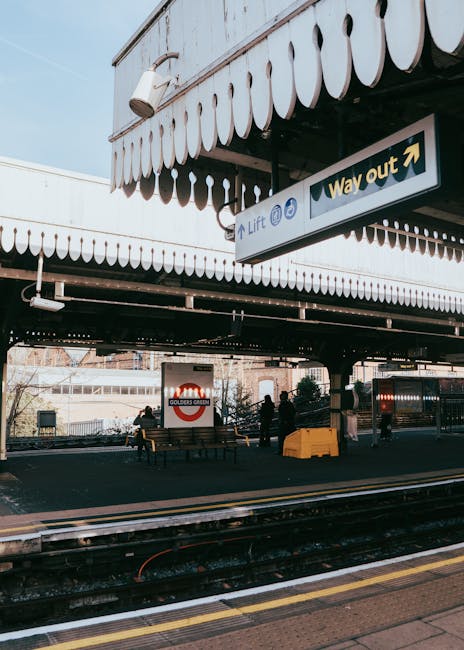
Wandsworth Town station removals guide for tight access

If you are planning a move near Wandsworth Town station, tight access can turn a straightforward removal into a slow, awkward, slightly stressful day. Narrow roads, shared entrances, stairs that seem to go on forever, and limited parking all add up. This Wandsworth Town station removals guide for tight access is here to help you plan properly, avoid the usual snags, and make the move feel controlled instead of chaotic. Whether you are moving a flat, a family home, or a small office, the same principle applies: the better the access plan, the smoother everything goes.
In practice, tight-access moves are less about brute force and more about good sequencing. You need to know what fits, what does not, where the vehicle can stop, how long loading will take, and which items need dismantling or extra protection. That sounds simple enough, but let's face it, moving day has a habit of exposing every small assumption you made the week before. This guide walks you through the process in plain English, with practical steps, realistic examples, and a few local-minded tips you can actually use.
Quick takeaway: if access is tight, the winning formula is early measuring, lighter loads, clear parking arrangements, and a removal method that matches the building, not the other way round.
Why Wandsworth Town station removals guide for tight access Matters
Moves around Wandsworth Town station often involve the kind of access challenges that do not show up until the van arrives. A doorway that looked roomy during the viewing turns out to be awkward with a sofa. A side road may allow stopping only briefly. A stairwell might be fine for boxes but awkward for wardrobes, mattresses, or white goods. Tight access matters because it affects time, labour, risk of damage, and sometimes whether a large vehicle is suitable at all.
There is also the human side of it. When access is awkward, stress rises quickly. One person is holding a lift door, another is checking whether the van has moved, and someone else is wondering if the bed frame will fit through the landing. Small delays become bigger delays. A proper plan reduces all that. You are not just moving objects; you are managing movement through a constrained space, often with neighbours, traffic, and time pressure in the mix.
In our experience, the moves that feel easiest are usually the ones where the customer has already thought through the physical reality of the building. That means measuring stairs, lifts, corners, and parking space before the day. It also means deciding whether you really need a full-size truck, or whether a more flexible man and van service or man with van option is simply the smarter fit for a station-area property.
How Wandsworth Town station removals guide for tight access Works
A tight-access removal works best when the move is treated as a sequence rather than one big event. First comes the access check, then the packing and dismantling decisions, then the vehicle choice, then the loading plan, and finally the unload at the new property. Each step affects the next. If one part is wrong, the rest usually slows down.
Near Wandsworth Town station, the access assessment typically covers a few basic but crucial points:
- Whether the vehicle can stop close enough to the entrance without causing disruption
- Whether there are steps, narrow hallways, or awkward turns
- Whether bulky furniture can be carried safely without scraping walls
- Whether lift access is available, and if so, how reliable it is on the day
- Whether items need dismantling before they leave the property
- Whether parking, loading, or waiting time will affect the schedule
Once these are clear, the move can be matched to the right method. A smaller team with careful packing may be ideal for a compact flat. A larger domestic move may need a more structured service such as home moves or house removalists, especially where there is more furniture, more fragile packing, or a tighter schedule. For business premises, the same logic applies, only with desks, IT equipment, stock, and downtime to think about too. In those cases, commercial moves or office relocation services are often the better route.
It is worth saying this plainly: a large truck is not always the best answer. Sometimes a slightly smaller vehicle and a more nimble loading plan are faster overall, because the team spends less time shuffling around obstacles. That is one of those things people only realise after the fact. Bit annoying, but true.
Key Benefits and Practical Advantages
A well-planned tight-access move near Wandsworth Town station gives you several advantages, and most of them are practical rather than flashy.
- Less risk of damage: Fewer forced angles, fewer close calls on stair corners, and less dragging of items through narrow spaces.
- Better time control: Knowing where the van can stop and how long loading will take keeps the day from drifting.
- Smarter vehicle choice: You can match the move to the right van or truck instead of overcommitting to something too large.
- Lower stress: Clear access planning reduces the frantic, last-minute problem solving that wears everyone out.
- More efficient labour: Movers can carry, stage, and load items in the right order instead of constantly backtracking.
- Better neighbour relations: Less blocking, less noise, and a tidier loading process tends to make life easier for everyone around you.
There is also a financial angle, even if nobody likes talking about it. When a move is well organised, you reduce the chance of extra labour time, repeat trips, or unnecessary delays. That does not mean every tight-access move is cheap or easy. It means you are far more likely to get value for money because the work is planned around reality, not wishful thinking.
If you are clearing furniture before a move, it can also help to book a furniture pick-up for items that no longer fit your new layout. That keeps the removal load lighter and makes the access problem a bit smaller. And honestly, a smaller load is often the difference between a calm move and a mildly disastrous one.
Who This Is For and When It Makes Sense
This guide is for anyone moving to or from the Wandsworth Town station area where access is not straightforward. That could mean a second-floor flat with a narrow staircase, a terrace home with tight front steps, a property with no easy parking nearby, or a small office tucked into a busy street. If any part of that sounds familiar, you are in the right place.
It makes particular sense if:
- You live in a flat with limited lift access or no lift at all
- Your furniture includes bulky items like wardrobes, sofas, beds, or large desks
- You expect parking to be difficult or restricted
- You are moving at short notice and need a flexible setup
- You want to avoid overpaying for a vehicle that cannot access the property cleanly
- You are managing a home move and a storage run at the same time
It also suits people who are trying to keep the move as tidy as possible. If you are between homes, reducing the number of awkward lifts and repeated trips matters more than ever. A reliable removal truck hire option can be useful for larger, more organised loads, while smaller loads often work better with a more flexible service.
For office moves, the best fit is usually a service that understands both access constraints and business timing. A corridor that is fine for one person carrying a laptop bag is another matter entirely when you are moving filing cabinets and monitors. Different job, different tactics.
Step-by-Step Guidance
If you want the move to go smoothly, do not leave the access plan until the night before. Here is a sensible way to handle it.
1. Measure the awkward bits first
Start with the entrance, the stair width, the landing turns, and any lift dimensions. Do not just measure the obvious doorway. The difficult part is often the turn halfway up the stairs, the low ceiling on the landing, or the angle where a sofa has to pivot. Take measurements for the largest items you own, not just the easiest ones.
2. Check parking and stopping space
Look at where the vehicle can realistically pause. Can a van get near the property without blocking traffic? Is there room to load safely? Are there times of day when access becomes much worse? Around station areas, traffic patterns can change quickly, so timing matters more than people expect.
3. Decide what needs dismantling
Some furniture simply will not move well in one piece. Beds, wardrobes, and certain tables often go more smoothly when dismantled in advance. Keep fixings, screws, and small parts in labelled bags. It sounds basic, but on moving day those little bags save a lot of swearing.
4. Reduce the load
Sort items into keep, donate, recycle, and dispose. The less you move, the easier tight access becomes. If there are awkward items you do not need anymore, arrange removal early so they are not standing in the way during loading.
5. Pack by access priority
Pack the items you will need first in the easiest-to-reach boxes. Keep fragile items separate and clearly marked. Heavy boxes should be smaller, not larger. That old trick of making one huge box because it seems efficient? A classic mistake.
6. Choose the right moving method
Match the vehicle and crew size to the access, not just the number of rooms. If the approach is tight, a smaller vehicle may be the smarter choice even for a sizeable move. For some households, man and van is enough. For others, a proper domestic service such as house removalists is the better option because it offers more structure and capacity.
7. Protect the route
Use floor protection, blankets, and corner guards where needed. Tight spaces and older buildings can suffer damage surprisingly quickly. One scuffed wall in a narrow hallway can slow the entire job if everyone becomes too cautious, so good protection helps both speed and peace of mind.
8. Confirm the final handover plan
Make sure everyone knows which items go first, where they should be placed, and how the keys or access details will be handled. If you are moving into a new property with limited access too, the unloading sequence matters just as much as the loading one.
Expert Tips for Better Results
After enough removals, you start noticing the same patterns. The jobs that run well are rarely the ones with the fanciest kit. They are the ones with the clearest plan.
- Use "last out, first in" logic: Keep essential items at the front of the load so you are not digging through boxes at the end of a long day.
- Mark awkward items early: If something is oversized, fragile, or oddly shaped, label it before the move starts.
- Keep hallways clear: A tidy route makes a big difference in tight spaces. Shoes, coats, recycling bags, and random bins have a habit of getting in the way.
- Send photos in advance: A few clear pictures of the stairs, entrance, and largest items can help a removal team judge the job properly.
- Build in a time buffer: Even a well-run station-area move can be slowed by parking, passing pedestrians, or a difficult turn.
- Use packing help where needed: If you are short on time, professional packing and unpacking services can save a lot of energy and reduce breakages.
One small but useful trick: keep a simple tool kit close by with screwdrivers, tape, scissors, and a marker pen. People always think they will remember where they packed the Allen key. They rarely do. Funny, really.
And another thing: if there is any doubt about the size of a sofa, wardrobe, or appliance, assume the worst until you have measured it. Optimism is lovely. It just does not move furniture very well.
Common Mistakes to Avoid
Most tight-access move problems are avoidable. Not all, but most. The usual mistakes are predictable, which is why they keep happening.
- Ignoring measurements: Guessing the size of a stairwell or doorway is asking for trouble.
- Booking the wrong vehicle: A truck that is too large can be slower and more difficult to position than a smaller option.
- Leaving packing too late: Last-minute packing leads to heavier boxes, poor labelling, and damaged items.
- Forgetting parking constraints: If the van cannot stop close enough, the whole move becomes longer and harder.
- Not checking lift availability: If a lift is out of service or too small, your plan changes immediately.
- Keeping blocked corridors: Clutter in tight spaces slows everyone down and increases the chance of knocks and scrapes.
- Overloading boxes: Heavy, oversized boxes are miserable to carry and more likely to split.
- Assuming one solution fits all: A home move, office relocation, and furniture-only job all need slightly different handling.
A final mistake worth mentioning is under-communicating. If your property has a quirky entrance, odd steps, or a narrow alley approach, say so early. No one enjoys discovering the hard way that the "easy back entrance" is actually a squeeze. That kind of surprise tends to land badly, to be fair.
Tools, Resources and Recommendations
You do not need a mountain of equipment for a tight-access move, but the right basics make a noticeable difference.
| Tool or resource | Why it helps | Best for |
|---|---|---|
| Measuring tape | Checks door widths, stair turns, and item sizes before moving day | Every move with narrow access |
| Furniture blankets | Protects wood, glass, and painted surfaces from knocks | Bulky or valuable furniture |
| Floor covering | Helps reduce dirt and scuffs in hallways and stairs | Older buildings, shared entrances |
| Label stickers and marker pens | Keeps boxes organised and easy to place | Packed homes and offices |
| Dismantling tools | Makes large items easier to pass through tight areas | Beds, wardrobes, desks |
| Inventory list | Helps track what has moved and what still needs loading | Larger or multi-room moves |
For some moves, especially those involving a mixture of large and small loads, a flexible vehicle arrangement can be the best fit. If you are comparing moving options, take a look at the moving truck page to understand how larger vehicle capacity can help when access still allows it. For simpler or smaller moves, a lighter-touch service can sometimes be more efficient.
If you are moving commercial equipment, IT, or stock, the right setup may lean toward commercial moves or office relocation services. If the priority is to get the job done with less fuss and a more personal approach, then man with van is often worth considering. Different job, different tempo.
Law, Compliance, Standards, or Best Practice
For removals near a station area, the biggest compliance issues are usually practical rather than dramatic. You need to think about safe loading, sensible parking, footway obstruction, and the general duty to avoid causing unnecessary disruption or damage. Exact parking rules and access restrictions can vary, so it is always wise to check local requirements and building arrangements in advance rather than making assumptions on the day.
From a best-practice point of view, the key expectations are straightforward:
- Load and unload safely without creating avoidable risks
- Protect communal areas and shared surfaces where possible
- Do not block entrances, exits, or key access routes for longer than needed
- Use the correct number of people for heavy or awkward items
- Handle fragile items carefully and label them clearly
- Respect neighbours, residents, and building management rules
If you are moving out of or into a managed building, it is often smart to confirm any building rules about lift use, delivery windows, or protection requirements before the date. That sort of thing is tedious until it saves you from a delay. Then it suddenly feels genius.
For terms, conditions, and service expectations, it also helps to review the provider's published information in advance, including their terms and conditions and, where relevant, privacy policy. Clear expectations reduce confusion, which is useful on any moving day, especially one with tight access.
Options, Methods, or Comparison Table
Choosing the right approach depends on load size, access, and how much help you need. Here is a simple comparison to make the decision easier.
| Option | Best for | Strengths | Limitations |
|---|---|---|---|
| Man and van | Small to medium moves, quick access, lighter loads | Flexible, practical, usually well suited to tighter streets | May be less ideal for very large homes or complex office moves |
| Man with van | Single-room moves, furniture runs, smaller flats | Simple and nimble, good for short distance jobs | Limited capacity for bulkier house contents |
| Moving truck | Larger loads where access still allows vehicle positioning | More space, fewer trips, efficient for fuller moves | Can be harder to place near very tight access points |
| Removal truck hire | Self-managed or semi-managed larger moves | Useful when you want capacity and control | Needs stronger planning and loading discipline |
| Full house removal service | Family homes, multi-room properties, heavy furniture | More support, better for awkward items and busy days | Usually more involved than a small van job |
The right choice is not always the biggest one. In fact, with tight access, a slightly smaller and more flexible setup can outperform a larger vehicle if it reaches the entrance faster and loads with less faff. That is the kind of judgement call that separates a neat move from a messy one.
Case Study or Real-World Example
Here is a realistic example from a typical Wandsworth Town station-area move. A couple were leaving a third-floor flat with a narrow staircase and no useful parking directly outside. Their main challenge was a large sofa, a bed frame, and several heavy boxes of books. At first, they assumed a large vehicle would be easiest because they had "quite a lot" to move. Reasonable assumption, but not quite right.
After checking measurements, it became clear that the sofa would be awkward on the landing unless it was moved at a particular angle. The bed frame was dismantled in advance, books were split into smaller boxes, and the loading plan was changed so the largest items went out first. A smaller, more flexible vehicle setup was used, which reduced the time spent trying to position the van. The whole move still took effort, obviously, but the pressure came down a lot.
The key lesson was simple: the property layout mattered more than the volume of belongings. Once the access was understood, the rest of the move fell into place. Not perfectly, because moves never are. But well enough that the day stayed manageable, and nobody ended up carrying a wardrobe through a hallway while silently regretting every life decision.
Practical Checklist
Use this checklist in the week before your move. It is deliberately practical, not glamorous.
- Measure doorways, stairwells, landings, and any lift dimensions
- Check the access route from vehicle to entrance
- Confirm parking or stopping arrangements
- Identify bulky items that need dismantling
- Sort items into keep, donate, recycle, and dispose
- Pack heavy items into smaller boxes
- Label fragile boxes clearly
- Protect furniture with blankets or covers
- Clear hallways, porches, and entrance areas
- Prepare a toolkit, tape, and marker pens
- Share photos of awkward access points if needed
- Confirm lift use and building rules where relevant
- Keep essential documents and valuables separate
- Choose the right moving method for the access
- Make sure someone is available to direct the final unload
One-line reminder: if you have to guess at the access, measure it instead.
Conclusion
A move near Wandsworth Town station does not have to be stressful just because access is tight. In many cases, the difference between a difficult day and a decent one comes down to preparation, the right vehicle, and realistic expectations. Measure first. Pack smart. Keep the load sensible. Choose the moving method that suits the building, not just the furniture.
That is really the heart of this guide. Tight access is manageable when you plan for it properly. You may still have a few awkward moments, because moving day always finds one or two. But with the right approach, those moments stay minor instead of becoming the story of the day.
If you are still weighing up the best way to handle your move, it may help to review the available options and decide which service fits your access, load size, and timing best. A calm, practical plan is usually the best starting point.
Get a free quote today and see how much you can save.
And when the last box is in place and the hallway is finally clear, it really does feel worth it.
Frequently Asked Questions
What counts as tight access for a removals job near Wandsworth Town station?
Tight access usually means there are physical limits that make loading or unloading slower, harder, or riskier. That can include narrow stairs, small lifts, awkward corners, limited parking, restricted stopping points, or a long walk from the vehicle to the entrance.
Should I choose a van or a truck for a tight-access move?
It depends on both the volume of belongings and the actual route to the property. A smaller van is often better if the access is very restricted, while a truck can work if there is enough room to stop and load safely. The right choice is the one that fits the building as well as the load.
Do I need to dismantle furniture before moving day?
For bulky items, often yes. Beds, wardrobes, and large tables commonly move better when dismantled. It reduces the chance of damage and makes tight corners much easier to manage.
How can I tell if a sofa will fit through the stairs or doorway?
Measure the sofa, the doorway, and the narrowest parts of the stair route, including landings and turns. If the measurements are close, allow extra room for angles and carrying space. If you are unsure, send photos and measurements early so the move can be planned properly.
Is a man and van service suitable for station-area flats?
Often, yes. A man and van setup is frequently a good fit for smaller homes, single-room moves, and lighter loads where flexibility matters more than large capacity.
What should I do if parking near the property is difficult?
Plan the parking position ahead of time and allow extra time for loading. If the vehicle cannot stop close enough, the whole job becomes slower, so it is worth thinking through alternative stopping points before moving day.
How far in advance should I plan a tight-access move?
As early as you can, especially if the property has limited parking or awkward stairs. Even a short move can benefit from advance planning because access issues rarely improve on their own.
Can packing help reduce access problems?
Yes. Smaller, well-labelled boxes are easier to carry through tight spaces than overpacked ones. Professional packing and unpacking services can also save time and reduce breakages.
What if I am moving office equipment rather than household furniture?
Then a commercial or office-focused move is usually the better fit. Business equipment often needs more careful handling, clearer sequencing, and less downtime, so services like commercial moves or office relocation services are more appropriate.
Are there special rules I should check before moving?
You should check any building access rules, parking restrictions, lift booking requirements, and the service provider's terms. Local arrangements can vary, so it is best to confirm the practical details early rather than leave them for the day itself.
What is the biggest mistake people make with tight-access removals?
Assuming the access will be fine without checking. That one assumption leads to most of the headaches: wrong vehicle size, poor timing, awkward carrying, and extra stress that could have been avoided with a few measurements.
How do I know whether my move needs full removal support?
If the property has multiple floors, large furniture, limited access, or a lot of items to move, full support may be the better option. Services such as home moves or house removalists can be more suitable than a basic smaller-job setup.
Where can I learn more about the company before booking?
You can read more about the business on the about us page and use the contact us page if you want to ask about your specific access situation. Clear questions at the start usually lead to a smoother move later.